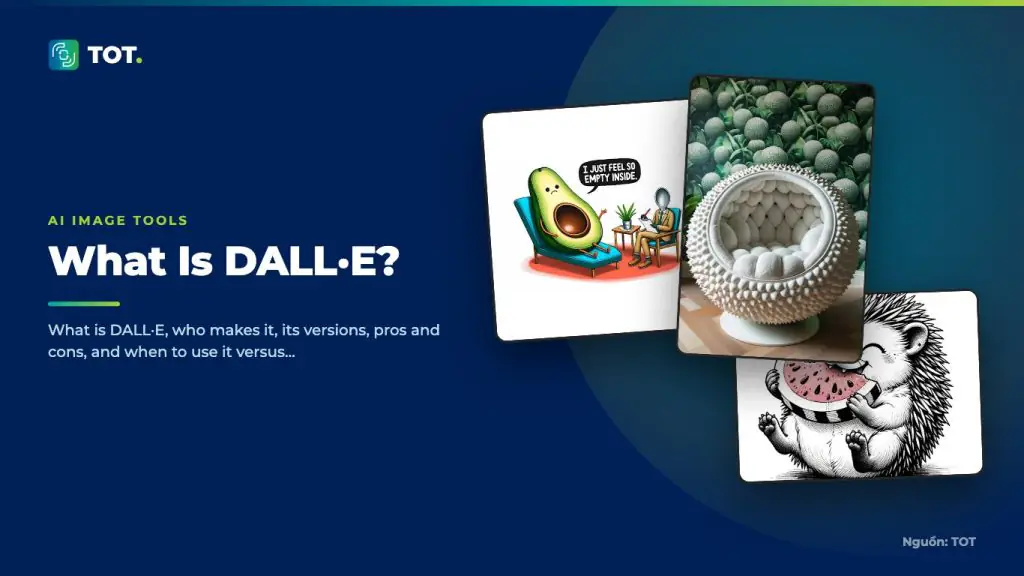
Update: DALL·E has been discontinued. OpenAI removed the dall-e-2 and dall-e-3 models from its API on 12 May 2026, and ChatGPT had already moved its image generation over to GPT Image back in December 2025. There is no way to call DALL·E by name any more. Importantly, this is a brand retirement, not a company one: OpenAI is still very much operating and still generates images — the work now runs on the gpt-image-2 line, which is DALL·E’s official successor. If you came here looking for a text-to-image tool you can use today, skip to the alternatives below: gpt-image-2, Midjourney, Flux, Adobe Firefly and Ideogram are all still operating.
What was DALL·E?
DALL·E was a text-to-image AI tool developed by OpenAI. Its standout traits were a strong grasp of natural language and direct integration inside ChatGPT, which let users generate images right in the flow of a conversation. That combination made it one of the tools that brought AI image generation to a mainstream audience. It was retired from the OpenAI API on 12 May 2026.
Who developed DALL·E?
DALL·E was developed by OpenAI, the AI research company behind ChatGPT. The name was a playful blend evoking the artist Salvador Dalí and the robot character WALL·E, reflecting its aim of combining artistic creativity with automation. OpenAI retired the DALL·E name in stages — first inside ChatGPT in December 2025, then from the API on 12 May 2026 — and folded image generation into its GPT Image models instead.
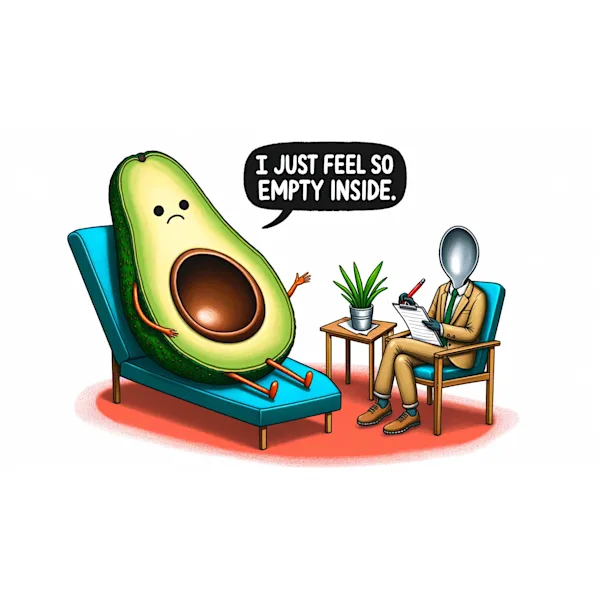
What DALL·E could do
DALL·E went through several generations, each improving image quality, prompt adherence and safety. It sat inside the OpenAI ecosystem, which allowed image creation directly through a conversation with ChatGPT. None of these capabilities are reachable under the DALL·E name any more.
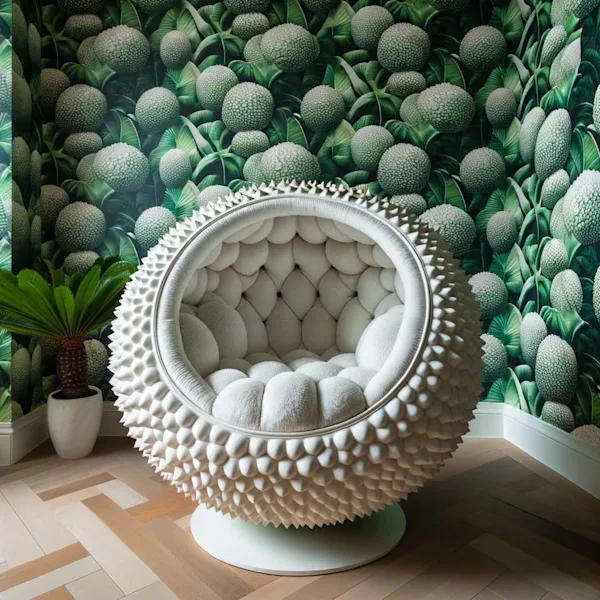
- Generated images from natural-language descriptions, in a way that was friendly to beginners.
- Was integrated into ChatGPT for creating and editing images within a chat.
- Could edit regions of an image and produce variations from a description.
- Offered an API for developers to integrate into applications.
What DALL·E was good at
DALL·E’s standout advantage was ease of use: it understood prompts written in everyday language and lived inside ChatGPT, so users could create images without leaving the conversation. That made it convenient for beginners and for quick ideation, and it also offered an API for embedding into products. These strengths are worth understanding, because they shape which replacement suits you.
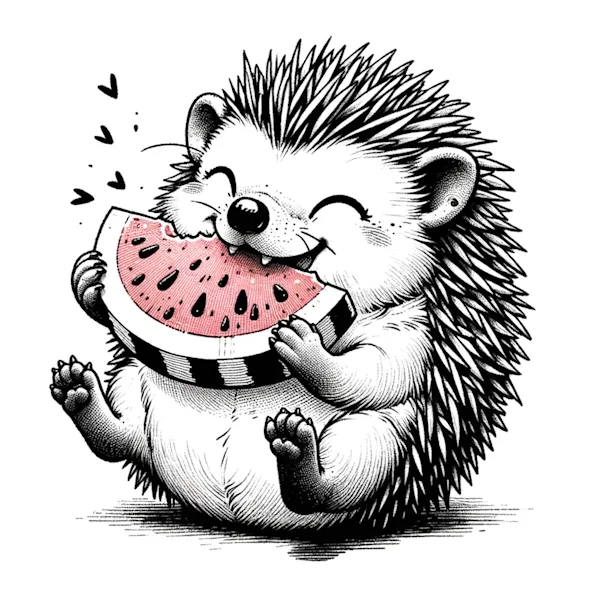
- Was easy to use and understood prompts written in everyday language.
- Integrated seamlessly with ChatGPT and the OpenAI ecosystem.
- Was well suited to beginners and quick ideation.
- Provided a convenient API for embedding into products.
Where DALL·E fell short
DALL·E’s limitations were that its sharpness and aesthetics could fall short of specialized tools like Midjourney or Flux, and its control over artistic style was only moderate. Some content filters also restricted certain types of requests. Anyone replacing it should weigh those gaps when choosing a tool — several of them are exactly where the alternatives below differentiate themselves.
- Sharpness and aesthetics sometimes fell short of specialized tools like Midjourney or Flux.
- Moderate control over artistic style.
- Some content filters restricted certain types of requests.
What to use instead of DALL·E
Five text-to-image tools are still operating and can replace DALL·E: gpt-image-2 from OpenAI, Midjourney, Flux, Adobe Firefly and Ideogram. The right choice depends mainly on what DALL·E was doing for you. If you were using it through the API, gpt-image-2 is the official successor and the shortest migration path. If you were using it for the look of the images, the specialists are a step up.
gpt-image-2 (OpenAI)
This is the direct replacement, and the one to start with if DALL·E was embedded in your product. It is DALL·E’s official successor and OpenAI’s current image-generation line. The move away from DALL·E began earlier: ChatGPT switched to the GPT Image family in December 2025, months before the DALL·E models were removed from the API. Staying on gpt-image-2 keeps you in the same ecosystem, on the same account and billing relationship, with the conversational, plain-language prompting that made DALL·E approachable in the first place. The trade-off is that migration is not a rename: the model is a different one, so prompts and outputs that were tuned against dall-e-3 will need re-testing rather than a find-and-replace. Check OpenAI’s pricing page for current rates.
Midjourney
The option to pick when the image’s aesthetic is the point. Midjourney was already the tool DALL·E was compared against on artistic quality, and that comparison did not change when DALL·E went away. The trade-offs are the ones that always applied: less of the conversational hand-holding DALL·E offered, and a workflow you have to learn.
Flux
Flux targets realism and gives you the technical customization DALL·E deliberately hid. It is also the only option here you can run yourself: the open weights permit self-hosting, which matters if your images cannot leave your own infrastructure. Be clear on the pricing structure, though — the Flux API has no free credits at all. Self-hosting is a genuinely different route with its own costs, not a free tier.
Adobe Firefly
Firefly is the pick when the images are going into commercial work and the licensing story has to be defensible, and it slots into the rest of the Adobe toolchain if your team already lives there. The flip side is that much of its appeal is tied to that ecosystem: if your team does not work in Adobe apps, you give up the integration advantage and are left comparing it on raw output alone.
Ideogram
If you need readable text rendered inside the image — signage, posters, packaging mockups — Ideogram was already the better answer than DALL·E, and it still is. It is narrower than the general-purpose options, so it tends to be a tool you add for that job rather than a wholesale DALL·E replacement.
Quick comparison
| Tool | Best for | Key trade-off |
|---|---|---|
| gpt-image-2 (OpenAI) | Migrating off the DALL·E API; staying in the OpenAI ecosystem | A different model, so prompts tuned for dall-e-3 need re-testing |
| Midjourney | Artistic aesthetics and striking images | Less conversational; a workflow you have to learn |
| Flux | Realism, technical control, self-hosting | More technical setup than DALL·E ever required; the API has no free credits |
| Adobe Firefly | Commercial work and the Adobe toolchain | Much of its value depends on already working inside Adobe apps |
| Ideogram | Rendering readable text inside images | Narrow speciality rather than a full replacement |
How to choose your replacement
Pick gpt-image-2 if DALL·E was wired into your product through the API and you want the shortest, best-supported migration. Pick Midjourney if you were only ever using DALL·E for pictures and the aesthetic is what matters. Pick Flux if you need realism, deeper technical control, or the ability to run the model on your own infrastructure. Pick Adobe Firefly if the output is commercial and you want licensing you can defend, especially inside an Adobe workflow. Add Ideogram when the image has to contain legible text. And whichever you choose, budget for a round of prompt re-testing — none of these will reproduce a dall-e-3 prompt’s output verbatim.
If you are moving off DALL·E and generating images at high volume, it is worth re-estimating your costs against the model you land on — the pricing you had modelled for dall-e-3 no longer applies. TOT offers an AI image generation cost calculator to help you budget based on image volume and chosen model.
Frequently asked questions
Can I still use DALL·E?
No. OpenAI removed the dall-e-2 and dall-e-3 models from its API on 12 May 2026, and ChatGPT had already switched its image generation to GPT Image in December 2025. There is no remaining way to call DALL·E by name.
What replaced DALL·E?
OpenAI’s gpt-image-2 line is the official successor. Image generation did not go away at OpenAI — it moved onto the GPT Image models, which is what ChatGPT has used since December 2025 and what developers should target now.
Did OpenAI shut down?
No. OpenAI is still operating and still generates images. Only the DALL·E brand was retired; the underlying capability continues under OpenAI’s GPT Image models, currently the gpt-image-2 line.
Is DALL·E free?
The question no longer applies. DALL·E was reached either through ChatGPT or through the OpenAI API, and both routes have moved on: ChatGPT switched to GPT Image in December 2025, and the models left the API on 12 May 2026. Any DALL·E pricing you find now describes a service that no longer runs; check OpenAI’s official website for current gpt-image-2 pricing instead.
What should I use instead of DALL·E?
gpt-image-2 is the official successor and the shortest migration if you were using the API. Midjourney is stronger on artistic aesthetics, Flux on realism and self-hosting, Adobe Firefly on commercially defensible licensing inside the Adobe toolchain, and Ideogram on rendering readable text inside images.
Can I still use images I generated with DALL·E before it was retired?
The rules for using images generated with DALL·E were set out in OpenAI’s terms and can change over time. Before using older images in advertising or a commercial product, read the latest terms on OpenAI’s official website to confirm what is permitted.
DALL·E’s removal from the OpenAI API took effect on 12 May 2026. Features and pricing for the alternatives listed here may change; please verify on each vendor’s official website before deciding.
About TOT
TOT is a pioneer in end-to-end digital transformation, delivering website design, application development, and optimized management systems for businesses. Guided by the philosophy “Technology for people,” TOT combines technical excellence with meaningful connections between brands and their users.
Book a consultation and get a free website audit at topon.tech/en/contact/.
>>> See also:
- What Is Midjourney? The Leading AI Tool for Artistic Image Generation
- What Is Flux? Black Forest Labs’ Open-Weight AI Image Model Explained
- What Is Ideogram? The AI Image Generator That Renders Text Accurately
- What Is Adobe Firefly? Commercially Safe AI Image Generation for Business
- Best AI image generators in 2026: Midjourney, gpt-image-2, Firefly, Flux, Ideogram