
Nearshore software outsourcing has become a smart strategy for businesses looking to scale efficiently while maintaining close collaboration with development teams. This model offers benefits such as shared time zones, cost savings, and faster project delivery. In this guide, TOT highlights how nearshore software outsourcing works, companies can make informed decisions and achieve better project outcomes.
>>> Read more:
- Custom Software Development in Ho Chi Minh City – Professional, Multi-Platform Solutions
- Custom Software Development in Hanoi – Professional and Affordable Solutions
- Top 15 Software Outsourcing Company in Vietnam
What is nearshore software outsourcing?
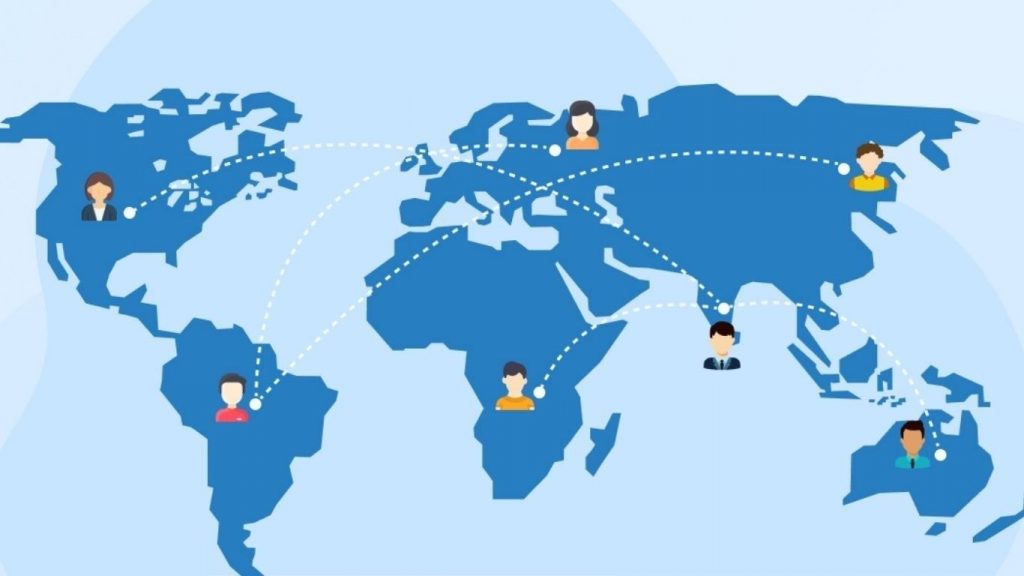
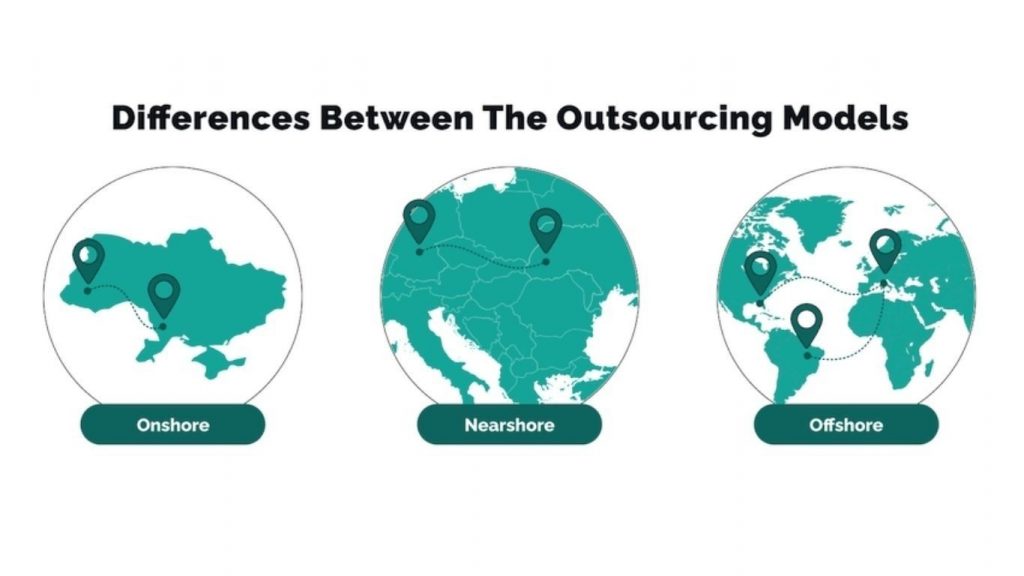
Nearshore Software Outsourcing is a model where a business delegates its software development services to a third-party vendor located in a neighboring country or within the same geographical region.
The defining characteristic of this model is the close geographical proximity, which results in similar or minimal time zone differences (typically 1–4 hours). This proximity significantly enhances communication, project management, and collaboration compared to the Offshore model (outsourcing to distant countries).
Key characteristics:
- Proximity: Short travel distance and overlapping working hours make communication easier than offshore outsourcing.
- Cultural & linguistic alignment: Nearshore teams often share similar work culture and communication styles.
- Cost-effective: Typically more affordable than onshore hiring, while offering better collaboration than offshore teams.
- Faster coordination: Real-time collaboration is smoother thanks to time-zone alignment.
Example: A company based in the United States hires a development firm in Mexico, or a Western European company partners with a vendor in Eastern Europe (such as Poland or the Czech Republic).
>>> Read more:
- Software Development Company in Vietnam – Top 10 Best Choices
- Custom Software Development for all needs: great price, professional process
- Top 10 IT Outsourcing Companies in Vietnam
Why Do Businesses Choose Nearshore Software Outsourcing?
Nearshore software outsourcing has become a strategic advantage for companies looking to balance cost, talent quality, speed, and operational efficiency. Compared with offshore or local hiring, nearshore models deliver stronger real-time collaboration, fewer communication barriers, and faster project execution. Below are the key reasons why businesses increasingly prefer nearshore software outsourcing services for long-term software development success.
1. Better Time Zone Alignment
Time zone compatibility is one of the strongest benefits of nearshore outsourcing.
Key Advantages:
- Teams typically operate within 1–4 hours of each other, enabling smoother real-time communication.
- Faster problem-solving through overlapping working hours.
- Easier scheduling for daily standups, sprint reviews, and technical discussions.
- Reduces delays caused by asynchronous communication—common in offshore outsourcing.
- Speeds up decision-making and shortens development cycles.
Companies avoid productivity gaps and achieve closer collaboration similar to an in-house team.
2. Cost-Effective but High Quality
Businesses choose nearshore software outsourcing services to achieve an optimal balance between cost and engineering quality.
Cost Advantages:
- Rates are often 40–60% lower than local hiring in the US, Canada, or Western Europe.
- No long-term hiring obligations or overhead (HR, benefits, office space).
- Access to senior engineers at mid-level cost.
Quality Advantages:
- Many nearshore countries maintain strong STEM education and mature tech ecosystems.
- Developers follow global best practices: Agile, CI/CD, automated testing, and cloud-native development.
Companies significantly reduce development costs without sacrificing expertise or product quality.
>>> Read more:
- Software Development Methodologies: 15 Key Types, Benefits, and Comparison
- What Is Custom Enterprise Software Development?
- Custom Built Software: Definition, Types, and Key Benefits for Businesses

3. Smoother Communication & Collaboration
Communication barriers are significantly reduced in nearshore outsourcing environments.
Advantages:
- High English proficiency in popular nearshore regions.
- Real-time collaboration using shared workflows (Slack, Jira, Confluence, GitHub).
- Minimal cultural communication gaps compared to offshore teams.
- More transparency in project updates and sprint progress.
Teams work together seamlessly, reducing misunderstandings and accelerating delivery.
>>> Read more:
- Mobile App Design Development: The Complete Guide for Designers
- Mobile App Development Project Plan: Guide to Build a Successful App

4. Cultural Compatibility
Working with teams in neighboring or nearby regions often means closer cultural alignment.
- Similar work ethics and business etiquette.
- Familiarity with Western markets, especially in LATAM–US or EU–Eastern Europe partnerships.
- Shared holidays or overlapping working norms.
- More aligned expectations on deadlines, quality, and communication style.
Cultural understanding directly improves team synergy, productivity, and long-term partnership stability.
5. Access to Skilled and Diverse Tech Talent
Nearshore outsourcing unlocks access to large pools of highly trained engineers.
Advantages:
- Strong engineering talent from established tech hubs (LATAM, Eastern Europe, Southeast Asia).
- Expertise in modern stacks:
- Cloud: AWS, Azure, GCP
- Frameworks: React, Angular, Vue, Node.js, .NET, Java, Python, Go
- Specialties: AI/ML, DevOps, Data Engineering, Cybersecurity, Mobile Apps
- Ability to scale teams quickly depending on project needs.
- Better retention and stability compared to offshore alternatives.
Businesses avoid local skill shortages and maintain access to top-tier developers.
>>> Explore more:
- Top 10 Mobile App Design Agency
- How Much Does It Cost to Design an App? (Complete Guide & Cost Breakdown)

6. Faster Onboarding and Shorter Development Cycles
With fewer communication, cultural, and time zone barriers, nearshore teams onboard faster and deliver sooner.
Advantages:
- Rapid team integration through overlapping working hours.
- Faster kickoff and technical alignment.
- Shorter feedback loops improve iteration speed.
- Lower onboarding friction compared to offshore teams.
Companies accelerate time-to-market and maintain agility in highly competitive industries.
7. Reduced Operational and Hiring Risks
Nearshore software outsourcing reduces the financial and operational risks of traditional hiring.
Advantages:
- No long-term contracts or employee liabilities.
- Ability to scale teams up/down based on workload.
- Strong IP protection laws in many nearshore regions (e.g., EU GDPR, and USMCA).
- More secure communication frameworks due to geographic proximity.
Companies maintain flexibility, protect sensitive data, and avoid the risks associated with full-time hiring or distant offshore teams.
>>> See more:
- Top 20 Best Web Application Development Company in Vietnam
- Website Design Cost for a Transparent Full-Package Quote

How Nearshore Outsourcing Models Work
Nearshore software outsourcing can be structured in several engagement models depending on project scope, required control level, and team scalability needs. Each model offers unique benefits, making it easier for businesses to choose the approach that best aligns with their operational goals and development timelines.
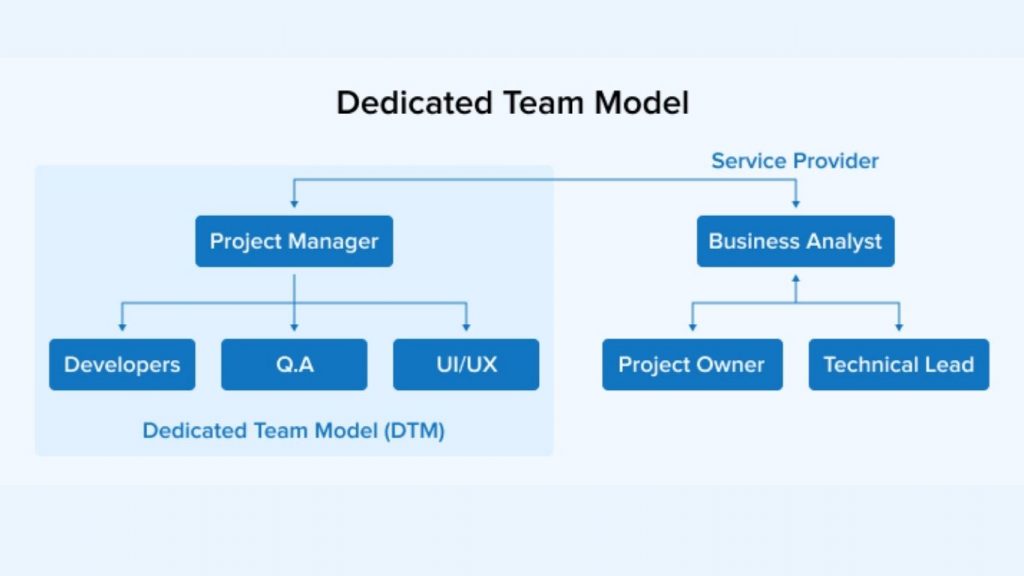
Dedicated Development Team
Opting for a dedicated development team gives you more than additional manpower — you gain a fully aligned group that functions as an extension of your internal staff. This model is ideal for long-term initiatives that demand deep involvement and high-level expertise.
With dedicated software teams, you benefit from ongoing communication and a strong grasp of your business objectives. The team stays committed to delivering results that support your growth. It’s an excellent choice for companies looking to scale efficiently without expanding their in-house workforce.
>>> Read more:
- Top 12 Web Design Agencies in Vietnam – Trusted & Professional
- Top 10 Web Agency Offshore Companies for Global Businesses
- Top 15 Best Web Design Companies in Ho Chi Minh City
Project-Based Outsourcing
Project-based outsourcing is a great fit for assignments that have well-defined scopes, timelines, and deliverables. It’s suited for new website builds or one-off software solutions. This setup allows you to leverage the skills of experienced developers without entering long-term obligations. It’s flexible, budget-friendly, and efficient.
It also frees you to focus on core operations while nearshore development partners manage the technical workload. This model works particularly well for organizations that need specialized expertise for a limited period — or those operating within tight budgets.
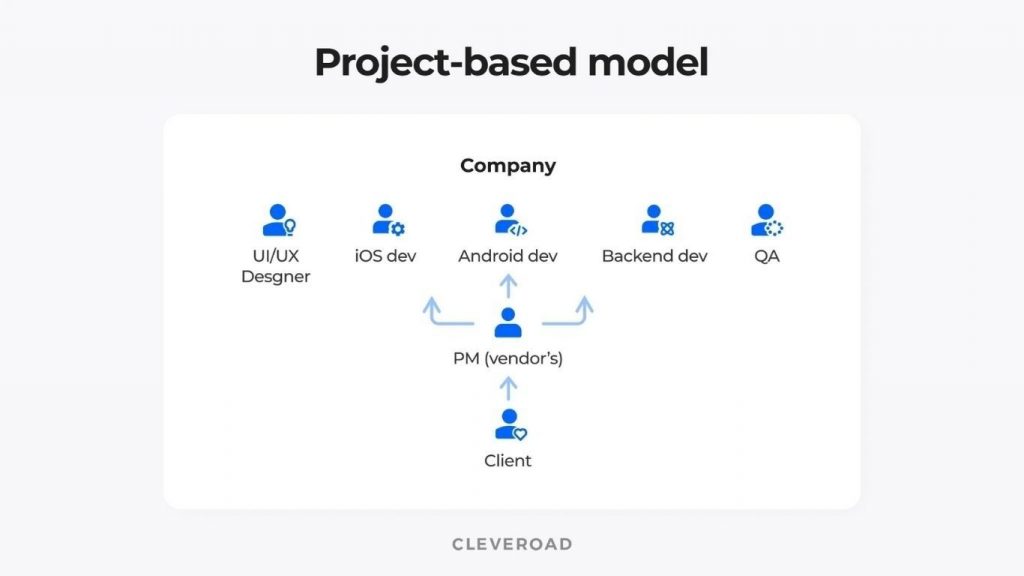
Project-based nearshore outsourcing delivers complete solutions with defined scopes and deadlines. (Source: Internet)
ALT: Project-based nearshore outsourcing
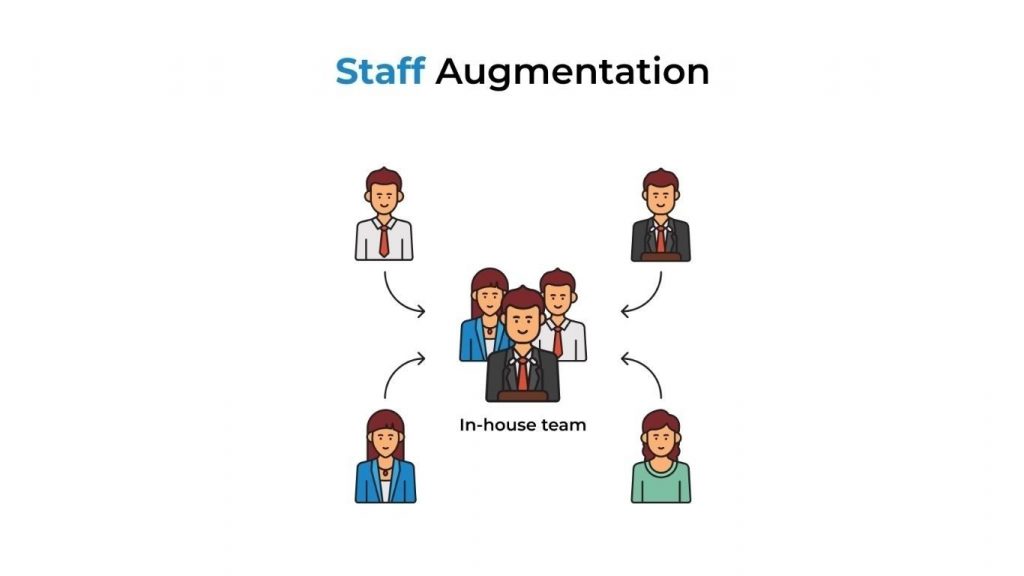
Staff Augmentation
Staff augmentation is the go-to model when you need to expand your team or address specific skill shortages quickly. It allows you to bring in nearshore developers on demand, giving you added capacity without fully outsourcing a project.
These technology professionals integrate smoothly into your existing workflows, providing new capabilities and fresh perspectives. It’s an ideal option for companies facing variable workloads or short-term project requirements.
>>> Explore more:
- Custom Website Design Services in Ho Chi Minh City — SEO-Optimized and Conversion-Focused
- Create a Free Online Store Website: A Quick, Detailed, and Effective Guide
- Restaurant Website Design — Professional, Modern
Comparison of Software Outsourcing Models: Key Differences
Nearshore vs Offshore Software Outsourcing
| Criteria | Nearshore Outsourcing | Offshore Outsourcing |
| Time Zone Alignment | Same or close time zones (1–3 hours difference), enabling real-time collaboration. | Large time zone gaps (8–12+ hours), causing delays in communication and feedback. |
| Development Cost | Moderate to low costs; slightly higher than offshore but still cost-effective. | Lowest development costs due to labor-rate advantages. |
| Availability of Expertise | Access to skilled teams with similar educational standards and modern tech stacks. | Wide availability of talent, but quality varies significantly by region. |
Nearshore vs Onshore Software Outsourcing
| Criteria | Nearshore Outsourcing | Offshore Outsourcing |
| Time Zone Alignment | Similar or shared time zones. | Same time zone and business hours. |
| Development Cost | More affordable than onshore while maintaining strong quality. | The highest cost is due to local salaries and operational expenses. |
| Availability of Expertise | Broad access to regional talent with diverse technical backgrounds. | Limited to local talent pool; may lack specialization for niche projects. |
Nearshore Software Outsourcing vs In-house Development
| Criteria | Nearshore Outsourcing | Offshore Outsourcing |
| Time Zone Alignment | Near real-time collaboration and overlap | Full overlap — immediate internal communication |
| Development Cost | Lower total cost (no payroll/benefits overhead) | Highest total cost (salaries, benefits, office, recruiting |
| Availability of Expertise | Access to diverse specialists on demand | Dependent on hiring success, may be skill-limited |
Critical Factors to Consider Before Choosing Nearshore Software Outsourcing
Choosing the right nearshore software outsourcing partner requires careful evaluation to ensure technical fit, cost efficiency, and long-term success. Below are the most important factors businesses should assess before entering a nearshore partnership.
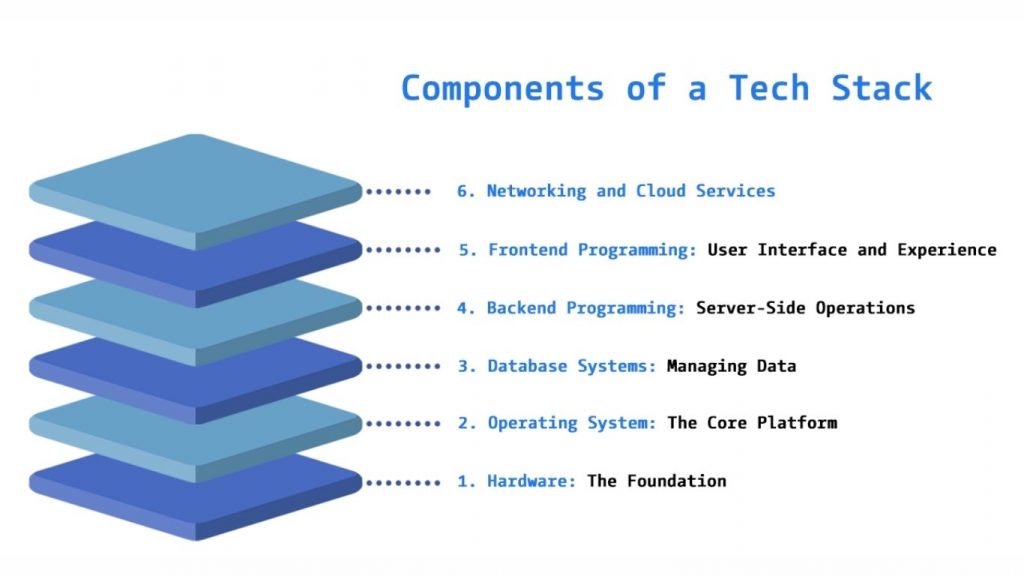
Technical Expertise & Tech Stack Capabilities
A reliable nearshore partner must demonstrate strong technical proficiency and modern engineering capabilities. Key considerations include:
- Technology stack mastery: Java, .NET, Node.js, Python, PHP, React, Angular, Vue.js, Flutter, React Native, AWS, Azure, GCP, Kubernetes.
- Experience with system architecture: Microservices, event-driven systems, cloud-native infrastructure.
- Engineering best practices: Clean code, CI/CD pipelines, automated testing, DevOps culture.
- Ability to support complex solutions: AI/ML, big data processing, SaaS platforms, enterprise-grade security.
- Certifications & standards: ISO, SOC2, GDPR-compliant practices.
Strong technical capabilities ensure your nearshore team can deliver scalable, high-performance software aligned with business goals.
>>> Read more:
- Top 15 Construction Web Design Agency for Builders & Contractors
- What is AES? Overview of the Advanced Encryption Standard
Portfolio & Industry Experience
Evaluating a partner’s past work helps determine whether they can handle the complexity of your project. Review:
- Case studies showcasing real-world results
- Experience in relevant industries, such as:
- Fintech & banking
- Healthcare & medtech
- E-commerce & retail
- Logistics & supply chain
- Manufacturing & automation
- SaaS & B2B platforms
- Success with similar project types: MVPs, rewrites, enterprise systems, integrations.
- Client testimonials: From Clutch, GoodFirms, Google Business, or G2.
>>> Read more:
- 6 Basic Steps of Software Development Process Explained
- How Much Does E-Commerce Mobile App Development Cost?
Scalability & Long-Term Partnership Potential
A strong nearshore vendor should support your growth not just today, but for years ahead. Evaluate:
- Team scalability: Ability to add or reduce developers quickly.
- Resource diversity: Availability of full-stack engineers, QA testers, DevOps, UI/UX, and PMs.
- Stability & financial health: Ensures consistent delivery over long-term projects.
- Long-term collaboration mindset: Transparency, proactive communication, and shared accountability.
- Maturity of processes: Agile methodologies, sprint planning, and roadmap management.
Scalability and long-term stability help avoid interruptions during product expansion or high-demand periods.
>>> See more: Best Affordable App Development Company to Hire

Step-by-Step Guide to Hiring a Nearshore Software Outsourcing Partner
Below is a practical, structured guide businesses can follow to select a reliable nearshore outsourcing partner.
Step 1: Assess Your Project Requirements
Start by clearly defining what your project needs. Outline the scope, core features, expected outcomes, and timeline. The more precise your requirements are, the easier it becomes to find a nearshore partner that truly matches your goals.

Step 2: Select the Most Suitable Outsourcing Model
Next, choose an outsourcing model that aligns with your workflow and long-term strategy. Whether you need a dedicated team for continuous development, staff augmentation to fill specific skill gaps, or a project-based approach for one-time tasks, selecting the right model shapes the entire collaboration.
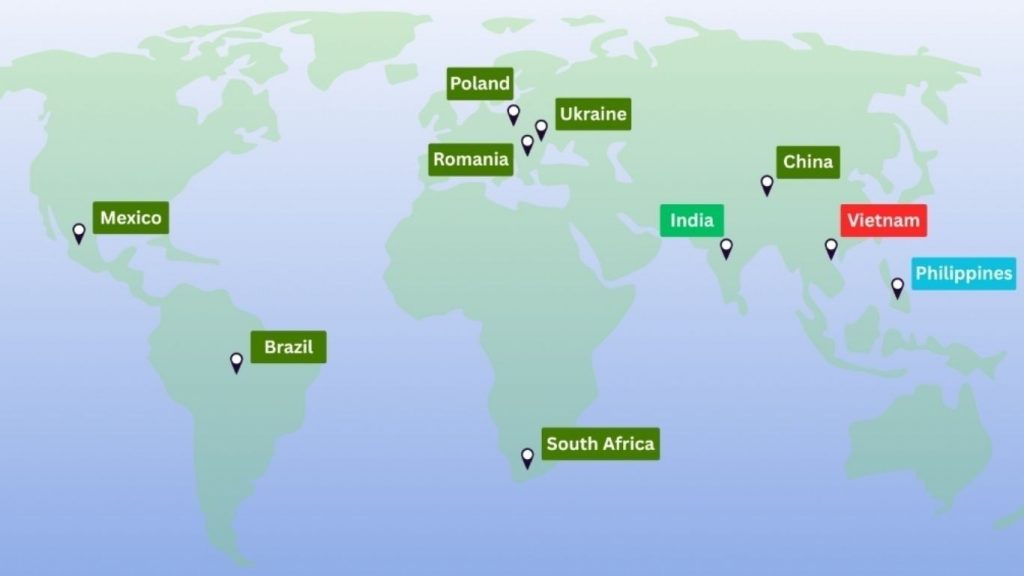
Step 3: Choose the Right Region/Country
Identify a nearshore location that provides strong technical talent, cultural compatibility, and overlapping working hours. Vietnam has become a leading choice for U.S. businesses thanks to its highly skilled software engineers, English-proficient teams, and convenient time-zone alignment that allows real-time collaboration and faster project turnaround.
Step 4: Research Companies and Shortlist Candidates
Begin exploring potential vendors in your chosen region. Look at their experience, team size, technical strengths, and customer reviews. Create a shortlist of companies that meet both your technical and business requirements.
Step 5: Review Portfolios, Case Studies & Tech Expertise
Dive deeper into each candidate’s previous work. Case studies and portfolios illustrate their experience solving complex challenges and delivering quality software. This is also a great way to verify whether their tech stack and domain knowledge match your project.

Step 6: Request Quotes and Compare Proposals
Reach out to your shortlisted companies and ask for detailed proposals. These should include methodologies, project timelines, estimated costs, and resource plans. Comparing these proposals helps you find the best value—balancing price, expertise, and delivery approach.
Step 7: Conduct Technical Interviews & Code Assessments
Before making a final decision, evaluate the developers who will work on your project. Technical interviews, coding tests, and live problem-solving sessions reveal whether the team has the skill level and thinking approach you need.
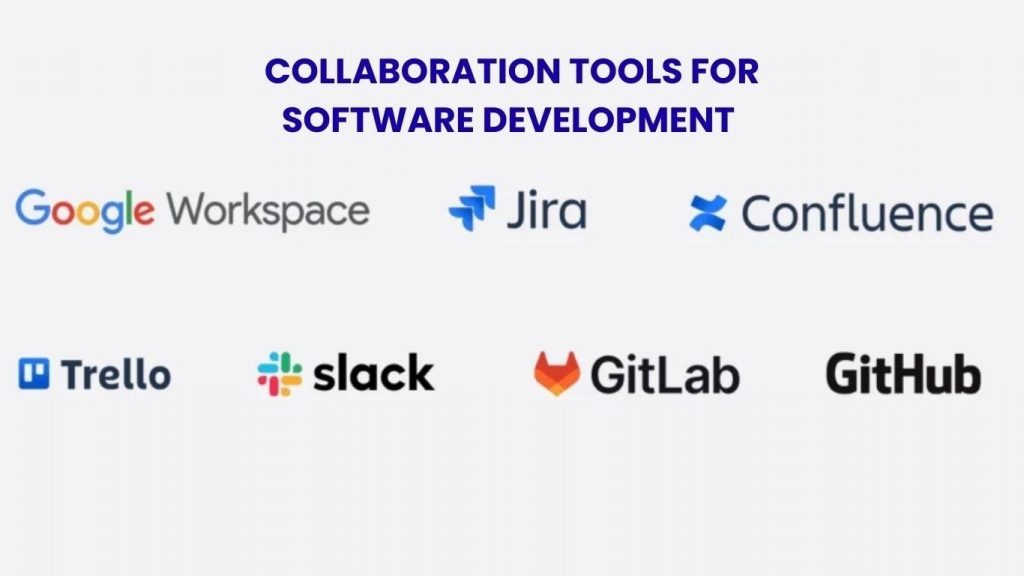
Step 8: Align on Tools, Processes & Communication Channels
Ensure both sides agree on collaboration tools (Jira, Slack, GitHub, etc.), development processes, reporting frequency, and communication expectations. Alignment at this stage prevents misunderstandings and builds a foundation for efficient teamwork.
Step 9: Finalize Contracts, KPIs & SLAs
Complete the partnership by signing a transparent, comprehensive contract. It should define project scope, deliverables, KPIs, SLAs, payment terms, and data protection policies. A strong contract ensures accountability and sets clear performance standards.
Key Challenges in Nearshore Outsourcing
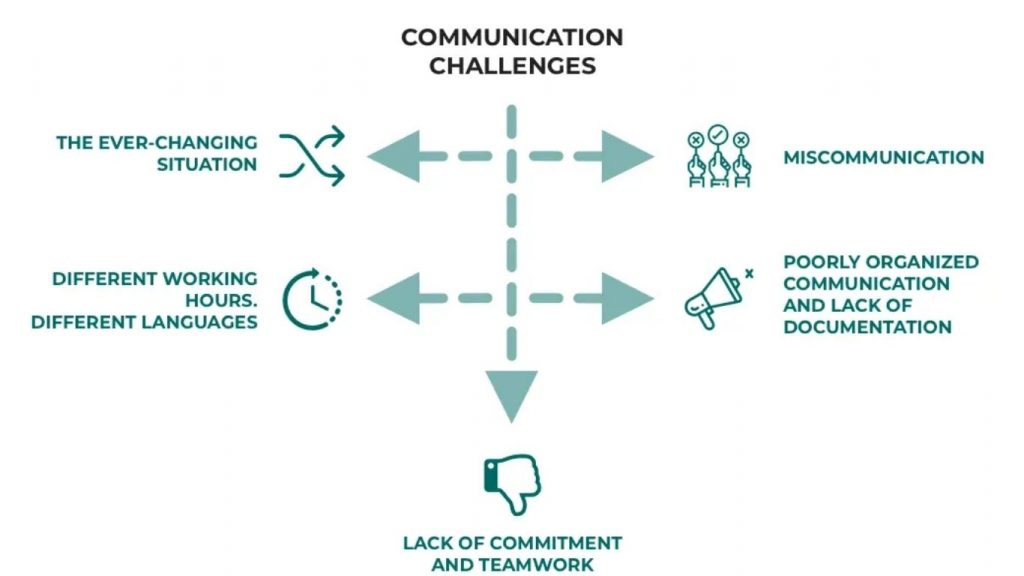
Even though nearshore outsourcing offers speed, cost savings, and access to skilled talent, it still comes with its own set of challenges. Businesses must be aware of potential obstacles that can affect collaboration, quality, or overall project success. From communication gaps to compliance concerns, understanding these issues early helps you plan better, reduce risks, and build a stronger partnership with your nearshore development team.
Communication Misalignment
Even with closer time zones, communication gaps can still arise. Misunderstandings may occur if expectations, workflows, or technical details aren’t fully clarified. To avoid this, businesses must establish consistent communication routines, documented processes, and well-defined responsibilities from the start.
Quality Assurance Risks
Not all nearshore teams follow the same development standards. Without a robust QA process, you may encounter bugs, inconsistent code quality, or missed requirements. Implementing strict testing procedures, regular code reviews, and quality benchmarks helps ensure your product meets expectations.
Legal/Compliance Issues
Cross-border collaboration introduces legal complexities. Differences in data protection laws, IP ownership, or contract structures can create risks if not addressed early. Companies should verify that their nearshore partner complies with international standards and include clear legal protections in their agreements.

Cultural Adaptation Challenges
Although cultural differences are smaller compared to offshore outsourcing, they still exist. Work styles, decision-making habits, and communication approaches can vary. Awareness and cultural training help teams collaborate more smoothly and reduce friction in daily operations.
Managing Hybrid or Distributed Teams
Working with both in-house staff and a nearshore team requires strong coordination. Without proper planning, organizations may struggle with workflow alignment, task distribution, and productivity tracking. Using agile methodologies, shared tools, and regular sync-ups makes managing a distributed workforce much easier.
>>> Explore more:
- Web Application Development Company in Vietnam: Top 20 Trusted
- Hire an App Developer Cost in 2025: Full Pricing Guide

Frequently Asked Questions (FAQs)
What is the difference between outsourcing and nearshoring?
- Outsourcing is the delegating of work to an external company anywhere in the world.
- Nearshoring means outsourcing to a nearby country with a similar time zone for easier collaboration
How much does nearshore outsourcing cost?
Rates generally range from $25 – $70 per hour, depending on the region, expertise, and project complexity. It is more affordable than onshore development but slightly higher than offshore outsourcing.
Are nearshore developers as skilled as local teams?
Yes. Many nearshore regions have strong engineering education, large tech ecosystems, and developers experienced with global organizations—offering quality comparable to local teams at a lower cost.
Choosing the right partner for nearshore software outsourcing can bring long-term value to your business, from reducing costs to accelerating product delivery and strengthening your technical capabilities. By following structured steps, maintaining transparent communication, and setting clear expectations from the start, you can build a partnership that supports continuous growth. When done correctly, nearshore software outsourcing becomes more than a strategy; it becomes a competitive advantage that helps your company scale faster and innovate with confidence.
TOT is a pioneer in the digital transformation journey. We deliver website design, mobile app development, and custom software solutions with flexible services tailored to each business’s exact needs.
Inspired by the philosophy of “Technology for People,” TOT empowers businesses to operate more efficiently, elevate customer experiences, and build a lasting brand impression.
TopOnTech (TOT) Contact Information:
📞 Hotline/WhatsApp/Zalo: (+84) 906 712 137
✉️ Email: long.bui@toponseek.com
🏢 Address: 31 Hoang Dieu Street, Ward 12, District 4, Ho Chi Minh City, Vietnam