“How much does it cost to design an app?” is one of the most common questions businesses ask when planning a new digital product. App design plays a crucial role in user experience, brand identity, and overall app success, and its cost can vary widely depending on complexity, features, and design quality. Whether you’re launching an MVP or a full-scale product, understanding design pricing helps you budget smarter and avoid unexpected expenses. In this guide, TOT introduces what app design includes, key cost factors, and practical tips to optimize your budget without compromising quality.
>>> Read more:
- Top 12 Web Design Agencies in Vietnam – Trusted & Professional
- Top 10 Web Agency Offshore Companies for Global Businesses
- Top 15 Best Web Design Companies in Ho Chi Minh City
What Does App Design Include?
App design is not just about making something look visually appealing; it’s about crafting a seamless user experience and visual identity that supports functionality and business goals. Here are the core elements of app design.
UX research and user flows
UX (User Experience) research is the foundation of effective app design. This involves interviewing users, conducting surveys, and analyzing their behavior to understand pain points and motivations. Based on this research, designers create user flows — step-by-step diagrams that show how users navigate through the app. The goal is to design a logical, intuitive path for users that minimizes friction and maximizes engagement. As noted by Business of Apps insights, strong UX research helps reduce costly revisions down the line.
Wireframes and prototypes
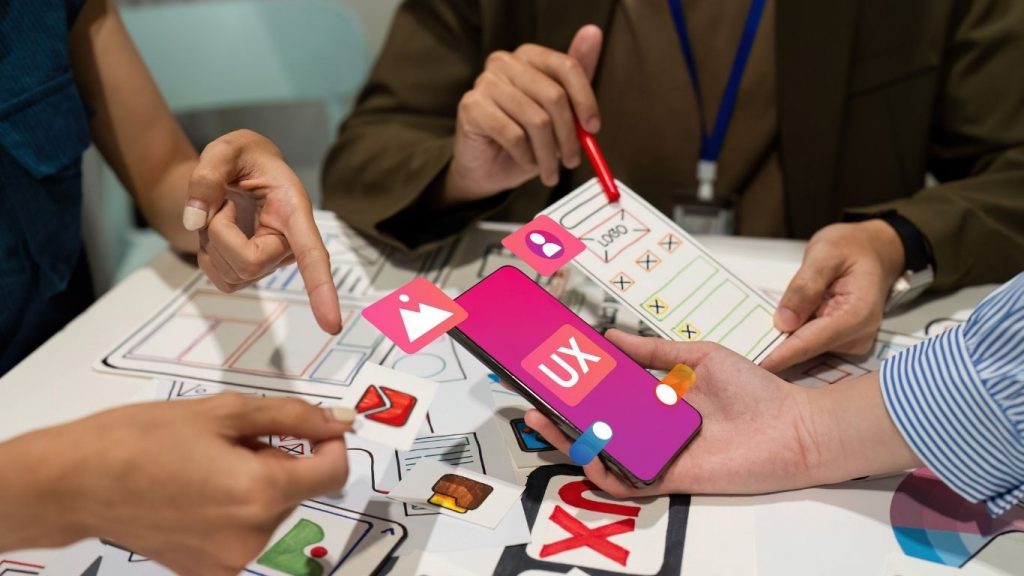
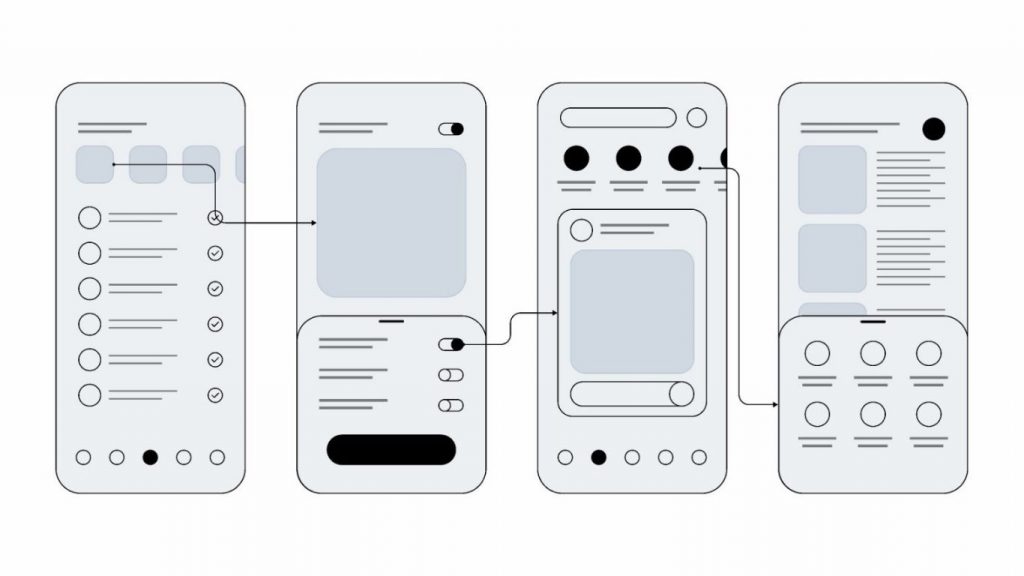
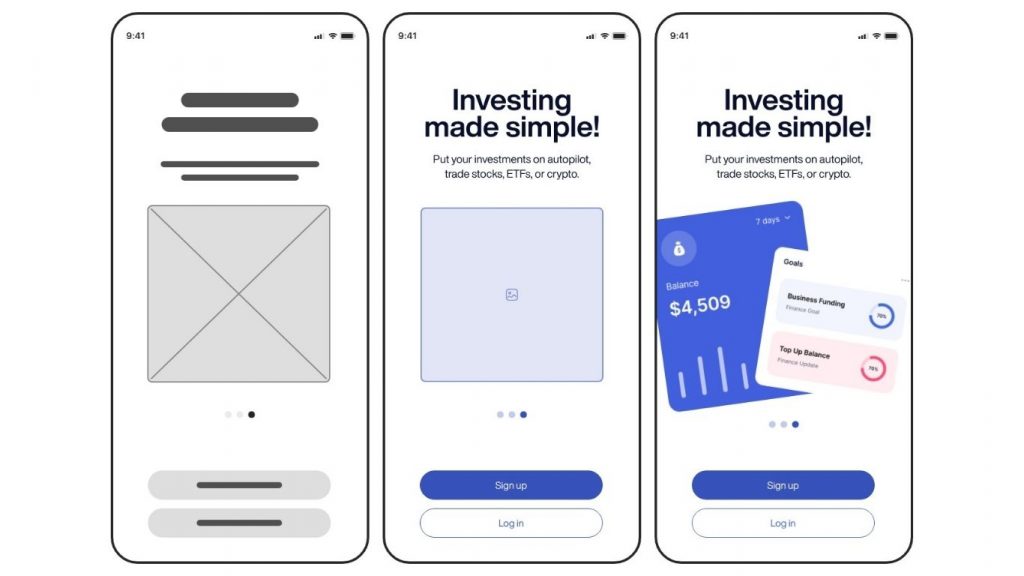
Once user flows are defined, designers create wireframes — low-fidelity layouts that display the structure of screens without visual elements. Then, they build interactive prototypes to simulate how the app will behave. Prototypes enable stakeholders to navigate through screens and test navigation before moving on to detailed visual design. According to SolveIt.dev, this phase helps identify usability issues early and significantly reduces the risk of rework.
UI design (visuals, icons, branding)
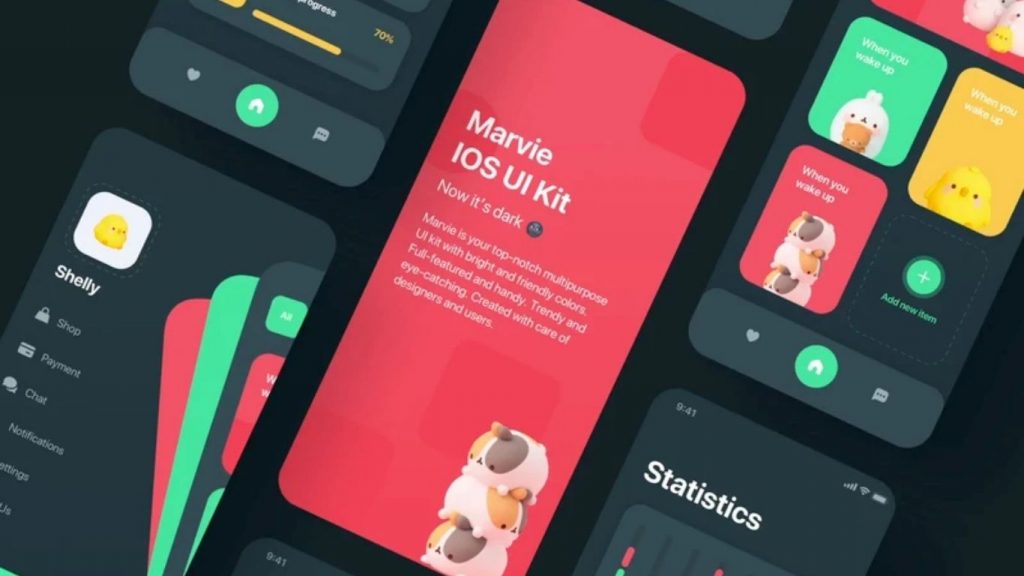
The UI design phase brings the app’s look & feel to life. This includes selecting a color palette, typography, buttons, icons, and branding elements. Designers also ensure consistency across all screens and create a visual identity that aligns with the company’s brand. A well-designed UI improves usability and credibility.
>>> See more:
- Custom Software Development in Ho Chi Minh City – Professional, Multi-Platform Solutions
- Custom Software Development in Hanoi – Professional and Affordable Solutions
Interactive prototypes and animations
Modern apps often include micro-animations and transitions such as button hover-effects, swipe gestures, or loading animations to make the interface feel responsive and engaging. Interactive prototypes enable designers to test these animated interactions before development starts. This not only enhances the user experience but also conveys detailed design intent to developers, making the hand-off smoother.
Design handoff and post-launch updates
After designs are finalized, designers prepare a handoff package for developers that includes style guides, design assets, and specifications. Good handoff reduces misunderstandings and ensures design fidelity in the final product. Furthermore, design doesn’t stop at launch; many apps require ongoing UI improvements, iteration based on user feedback, or new screen design for added features. Planning for post-launch design updates helps maintain consistency and adaptability.
App Design Cost Breakdown by Complexity
Not all apps are created equal, and their design costs vary significantly based on size and complexity. From simple apps with a few screens to advanced platforms with animations, dashboards, and custom interactions, each level requires different resources and expertise. Breaking down costs by complexity helps business owners understand where their investment is going. This section outlines typical price ranges and timelines for every type of app.
Simple app design cost
A simple app — think basic utility, informational, or content-display apps with few screens — requires minimal design complexity. For this level:
- Wireframes + basic UI
- A handful of screens (e.g., Home, About, Settings, Contact)
- Minimal user flow complexity
- Estimated Cost: ~$3,000 – $10,000
- Estimated Timeline: 2–4 weeks
Medium-complexity app design cost
A mid-tier app might include:
- 10–20 screens
- Interactive components (lists, forms, dashboards)
- Onboarding flows + some custom UI
- Basic animations or transitions
- Estimated Cost: ~$10,000 – $30,000
- Estimated Timeline: 4–8 weeks
This aligns with pricing described by research from OfSpace and other design-cost sources.
Complex app design cost
Complex apps are feature-rich and often enterprise-level or consumer apps with high design needs:
- 20+ screens
- Custom workflows, charts, and dashboards
- Advanced animations or visual effects
- Multi-platform design (iOS + Android)
- Design for scalability and future features
- Estimated Cost: ~$30,000 – $80,000+
- Estimated Timeline: 8–16+ weeks
According to Seamgen and other agencies, this is the ballpark for high-end design projects.
Cost summary table (complexity vs. price vs. timeline)
| Complexity Level | Typical Design Cost | Typical Timeline |
| Simple | $3,000 – $10,000 | 2 – 4 weeks |
| Medium | $10,000 – $30,000 | 4 – 8 weeks |
| Complex | $30,000 – $80,000+ | 8 – 16+ weeks |
>>> See more:
Key Factors That Influence App Design Cost
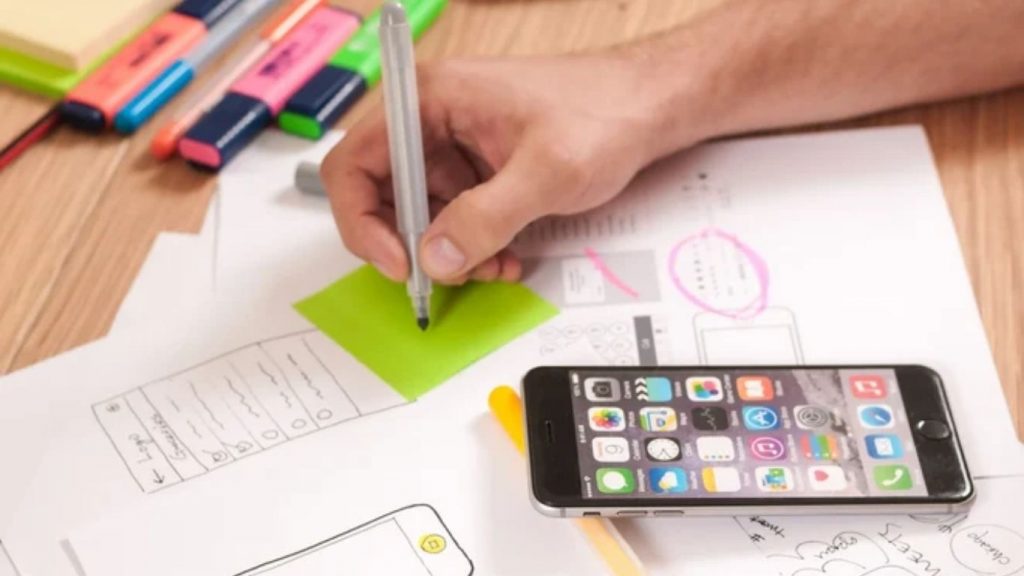
App design pricing depends on several variables beyond just the number of screens. Platform choice, complexity, required branding, and designer expertise can all impact the final cost. Understanding these factors allows you to make informed decisions, prioritize essential elements, and avoid unnecessary expenses. In this section, we explore the most influential cost drivers and how they affect your total budget.
App complexity and number of screens
The complexity of your app is one of the biggest cost drivers in the design process. Simple apps with only a few screens require fewer user flows, fewer design elements, and less testing, which keeps costs lower. In contrast, feature-rich apps with many screens, advanced interactions, or dynamic content demand significantly more design effort. More screens also mean more UX mapping, wireframes, prototypes, and UI elements. As a result, the overall cost increases as the number of screens and feature complexity grow.
Platforms (iOS, Android, web)
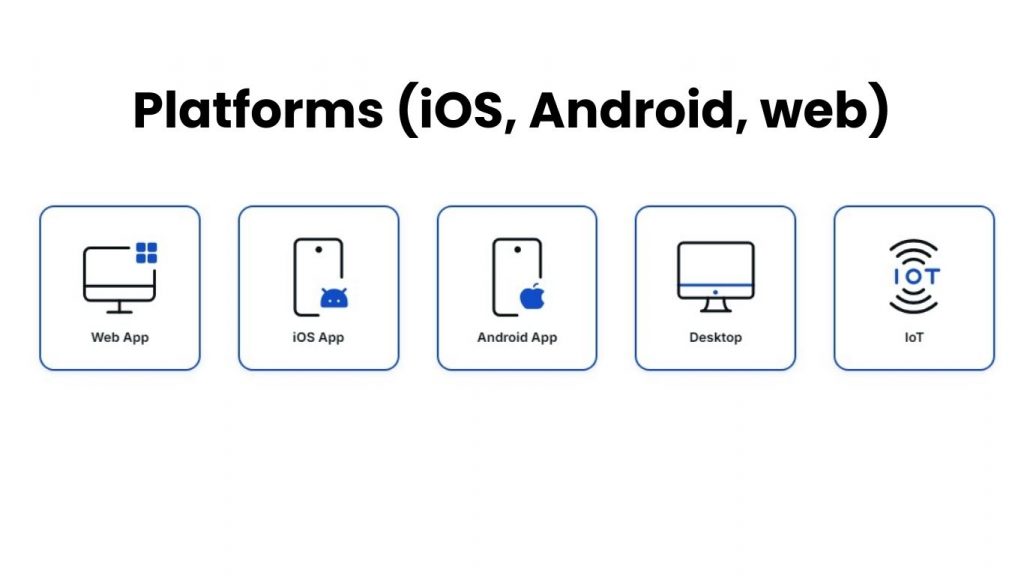
Designing for multiple platforms is more expensive because each system follows unique guidelines and interaction patterns. iOS and Android have distinct design rules, button styles, and navigation structures, so designers must create platform-specific versions to ensure a native user experience. If your app also requires a responsive web version, the workload expands even further. Each platform may involve separate wireframes, UI layouts, and test cycles. Therefore, multi-platform design multiplies effort and increases total design cost.
>>> Read more:
- Restaurant Website Design — Professional, Modern
- Create a Free Online Store Website: A Quick, Detailed, and Effective Guide
Industry and design requirements
Different industries come with different expectations and complexities that affect design pricing. Apps in healthcare, finance, construction, or logistics often require specialized workflows, data-heavy screens, or strict compliance guidelines. These requirements lead to more in-depth research and more sophisticated UI/UX planning. Some industries also demand detailed dashboards, charts, or custom components that take longer to design. The more regulated or industry-specific the app is, the higher the design cost tends to be.
Designer or agency location and experience level
Geography has a significant impact on pricing as design rates vary widely across regions. Designers in North America or Western Europe typically charge significantly more than those in Southeast Asia or Eastern Europe. Experience also plays a crucial role: senior designers and well-established agencies charge premium rates due to their expertise, process efficiency, and design quality. While their hourly rates may be higher, they often deliver better results with fewer revisions. Choosing the right balance between skill level and budget helps optimize your investment.
UI/UX customization and brand integration
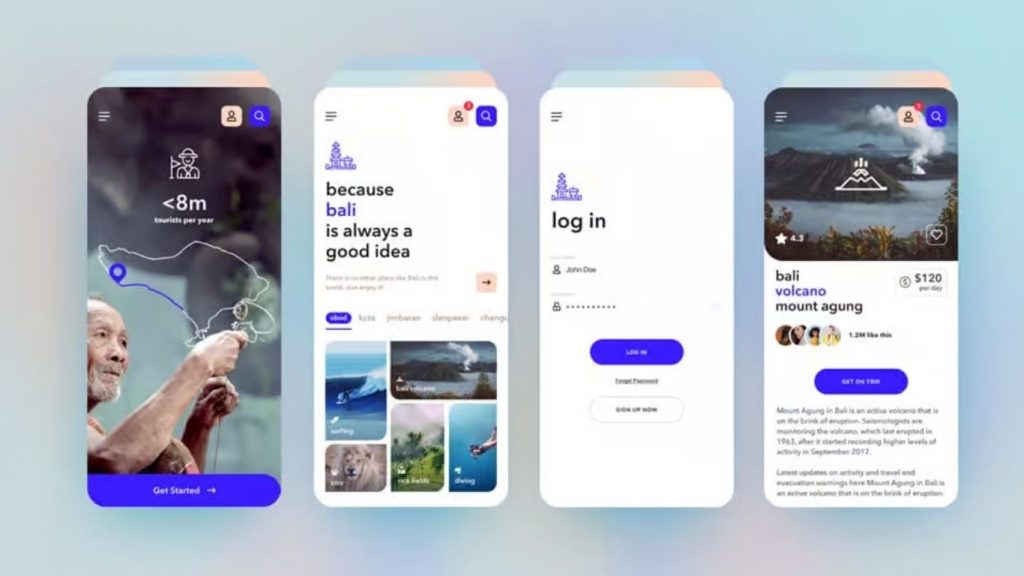
Highly customized designs require more time, creativity, and iteration, which drives up costs. If you need original illustrations, unique icons, custom animations, or a branded visual system, designers must invest additional time and effort into crafting tailored assets. Apps that heavily rely on brand identity also require deeper attention to typography, color psychology, and micro-interactions. Templates or semi-custom UI kits are less expensive, but they limit uniqueness. The more personalized and branded the experience, the higher the design budget will be.
>>> Read more:
- Software Development Company in Vietnam – Top 10 Best Choices
- Custom Software Development for all needs: great price, professional process
Number of iterations and user testing rounds
UX testing and iterative improvements are essential for a polished, user-friendly app — but they also add to the total design budget. Each testing round reveals new insights that designers must incorporate through refinements in flows, wireframes, and visual layouts. More iterations lead to higher usability and stronger final results, but also require more time. Complex apps typically need multiple testing phases to ensure smooth interactions. The more you optimize through iteration, the more the design cost increases.
Ongoing design maintenance and updates
App design is not a one-time job, especially for apps expecting long-term growth or regular feature updates. Post-launch improvements may include new screens, UI enhancements, or redesigns based on user feedback. Continuous maintenance keeps the app modern, consistent, and aligned with evolving user expectations. Some agencies offer monthly design support packages, while others charge by the hour for updates. This ongoing design element should be included in your long-term budget plan.
How to Estimate Your App Design Budget
Budgeting for app design becomes far easier when you approach it methodically. By defining scope, comparing regional rates, and estimating time per design stage, you can create a clear, realistic cost plan. Whether you’re preparing for an MVP or full product launch, this section will guide you through the essential steps to calculate an accurate budget before requesting quotes.
Define your scope (MVP vs. full-feature app)
The first step in estimating your design budget is deciding whether you need an MVP or a fully featured product. An MVP focuses only on essential features, which reduces the number of screens and the overall design workload. This approach is ideal for testing ideas, reducing risk, and speeding time-to-market. A full-featured app requires comprehensive UX flows, advanced UI components, and a broader design system, which can result in higher cost. Clearly defining your scope ensures accurate budgeting and avoids unnecessary expenses.
Map required screens and user flows
App design cost often correlates with the total number of screens and interactions. Start by listing all core screens, such as login, onboarding, dashboards, settings, and feature-specific pages. Then map out user flows to understand complexity—whether users perform simple actions or move through multi-step processes. This helps estimate the design time needed for wireframes, UI layouts, and prototyping. A well-defined screen map makes budgeting more precise and allows agencies to provide accurate quotes.
Compare hourly rates by region and designer type
Design rates vary widely depending on geography and expertise. Designers in North America or Western Europe typically charge $70–$150/hour, while Eastern Europe charges around $40–$75/hour, and Southeast Asia $20–$45/hour. Freelancers typically cost less but may lack multi-disciplinary support, while established agencies offer complete UX/UI workflows at a higher rate. Reviewing regional rates helps align your budget with realistic expectations. Balancing cost and experience ensures the best value.
Calculate time and cost per design stage
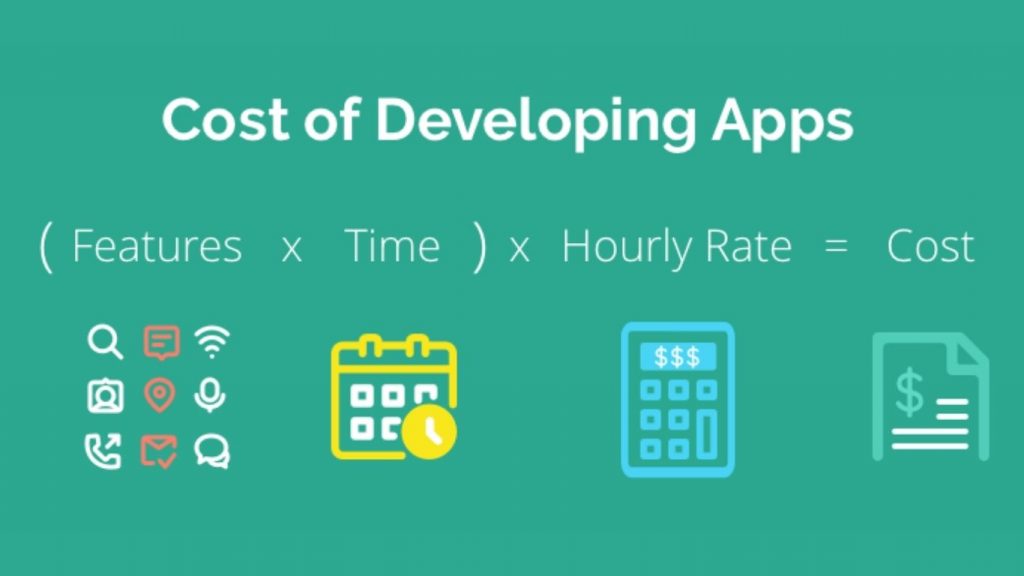
App design is split into stages: UX research, wireframing, UI creation, prototyping, and design handoff. Each stage requires a different amount of time, depending on its complexity, features, and team expertise. For example, simple apps may require 80–120 hours to design, while complex platforms can take 300–500 hours to develop. Multiply estimated hours by the designer’s hourly rate to approximate total cost. Breaking down stages also helps identify where to optimize or reduce scope if needed.
Budget checklist before requesting a quote
Before approaching a designer or agency, prepare a clear checklist: project goals, scope (MVP or full app), required features, preferred platforms, style references, and brand guidelines. Include a list of screens, user personas, and any existing research to ensure accurate estimates. Determine whether you require animations, custom illustrations, or advanced prototypes, as these elements affect cost. Set a realistic timeline aligned with your budget. A complete checklist speeds up quoting and prevents expensive misunderstandings.
How to Reduce App Design Costs Without Losing Quality
Reducing app design costs doesn’t have to mean sacrificing user experience or visual quality. With the right strategy, such as focusing on an MVP, reusing design systems, and improving project preparation, you can significantly cut expenses. This section provides practical, industry-tested methods to optimize your design budget while still delivering a polished, user-friendly app.
Focus on MVP and essential features
Prioritizing an MVP helps you concentrate on the features that matter most to early users, reducing the number of screens and design hours required. Instead of designing complex flows and advanced visuals upfront, you create only what is necessary for testing your idea. This helps avoid unnecessary costs, especially for startups with limited budgets. Once the MVP performs well, you can gradually scale the design based on user insights. This approach ensures you maintain quality while minimizing waste.
Reuse design systems or templates
Leveraging established design systems, such as Material Design or Apple’s Human Interface Guidelines, can significantly reduce design time. These systems provide ready-made components, patterns, and style frameworks that designers can easily customize and adapt to their needs. Instead of building every element from scratch, your team can adapt existing UI kits or templates to your brand identity. This method keeps the design consistent, professional, and cost-efficient. It’s ideal for businesses seeking quality without the cost of full custom UI.
>>> Explore more:
- What Is Custom Enterprise Software Development? Full Guide
- Top 15 Software Outsourcing Company in Vietnam

Limit initial platform targets
Designing for multiple platforms (iOS, Android, web) doubles or triples the workload. By starting with one platform—typically iOS for simplicity or Android for market reach—you drastically reduce design hours and complexity. This approach allows you to test your product with the most relevant audience before committing to a multi-platform design. Once validated, the design system can be expanded more efficiently. Limiting early platform targets is an effective way to control budget without compromising user experience.
Prepare clear briefs and brand assets
Many design revisions and costs come from unclear requirements. Providing a detailed project brief, user personas, feature descriptions, color palettes, typography, and logo files helps designers work more efficiently. When expectations are clear, fewer revisions are needed, and estimations become more accurate. The result is a shorter timeline, lower cost, and higher design consistency. A strong brief ensures your investment is spent on design quality, not unnecessary back-and-forth.
Use prototyping tools to validate early
Tools like Figma, Adobe XD, and Sketch enable teams to quickly and affordably create low-fidelity prototypes. Early prototypes help validate ideas, identify UX issues, and align stakeholders before investing in full UI design. This prevents expensive redesigns later in the process. Interactive prototypes also help you test user flows with real users early in the process. Early validation ensures the final design is correct from the start—saving both time and money.
Outsource strategically while maintaining quality control
Outsourcing to skilled offshore UX/UI teams can significantly lower design costs. Countries in Eastern Europe, Southeast Asia, and South America offer high-quality designers at lower rates than the US or UK. However, maintaining quality is crucial—so set up clear communication processes, milestones, and review cycles. Select agencies with strong portfolios, verified testimonials, and transparent pricing. Strategic outsourcing helps you access global talent affordably while maintaining design excellence.
>>> Read more:
- Custom Website Design Services in Ho Chi Minh City — SEO-Optimized and Conversion-Focused
- Top 10 Mobile App Design Agency

App Design Process and Cost per Stage
Every design stage contributes differently to the final app cost, from early research to UI design and developer handoff. Understanding the cost structure of each phase helps you identify where the bulk of the work happens and which areas require the most investment. This breakdown also makes it easier to track spending and manage expectations across your project timeline.
Discovery and research phase
This stage includes user research, competitor analysis, requirement gathering, and defining user personas. Designers create initial concepts, understand the problem space, and align with business goals. The cost depends on research depth but generally accounts for 10–20% of the total design budget. A strong discovery phase reduces long-term redesign costs and ensures the product aligns with real user needs.
Wireframing and user journey mapping
Wireframes outline screen layouts and the structure of the app before visual design begins. Designers map user journeys to ensure intuitive navigation and clear task flows. This phase typically accounts for 15–25% of the design budget, depending on the app’s complexity and number of screens. Wireframing prevents UX errors early, ensuring a more efficient UI design stage.
>>> Read more:
- Software Development Methodologies: 15 Key Types, Benefits, and Comparison
- Website Design Cost for a Transparent Full-Package Quote
UI design and branding
This is where visual details come to life—color schemes, typography, icons, spacing, illustrations, and overall brand expression. Designers apply a consistent design system across all screens. Because UI work is highly detailed, this stage typically accounts for 30–40% of the total design cost. Costs increase for apps requiring custom branding, illustrations, or advanced visuals.
Prototyping and user testing
Clickable prototypes help validate usability before development begins. This phase involves creating interactive animations, transitions, micro-interactions, and testing with real users or focus groups. Typically, this stage accounts for 15–20% of the overall cost. Early testing reduces expensive issues during development and ensures a seamless user experience.
>>> Read more: Mobile App Development Project Plan: Guide to Build a Successful App
Design handoff to developers
Designers prepare assets, design systems, interaction guidelines, and documentation for developers to use. Tools like Figma Inspect streamline this process. This stage involves quality checks, responsiveness specifications, and final adjustments. The handoff phase typically accounts for 5–10% of the design budget.
Cost distribution by stage (visual table)
| App Design Stage | Cost % of Total Budget | What It Includes |
| Discovery & Research | 10–20% | Requirements, personas, UX goals |
| Wireframing & UX Mapping | 15–25% | Wireframes, user flows, IA |
| UI Design & Branding | 30–40% | Visuals, layouts, brand system |
| Prototyping & User Testing | 15–20% | Interactive prototypes, testing |
| Design Handoff | 5–10% | Design assets, documentation |
App Design Cost at TOT
The cost of mobile app design and development varies widely based on the app’s complexity, required features, and industry-specific needs. Simple apps with basic interfaces generally cost less, while mid-level and complex apps require higher investment due to custom UI/UX, payment systems, or advanced integrations. Additionally, each industry demands unique functionalities that directly influence total project cost. Beyond development, businesses should also consider long-term maintenance fees, update requirements, and app store publishing costs to ensure the app operates smoothly and securely over time.
Cost by App Complexity
- Simple Apps
These apps include core features such as account login, basic content display, and simple navigation, without API connections or custom backend systems.
Estimated cost: $1,600–$3,200 (40–80 million VND)
Timeline: 1–2 weeks
- Mid-Level Apps
This category covers apps with online payments, push notifications, and more refined UI/UX design tailored to business needs.
Estimated cost: $3,200–$8,000 (80–200 million VND)
Timeline: About 1 month
- Complex Apps
Complex apps are built for industries requiring high security, advanced data processing, or multiple third-party system integrations.
Estimated cost: $8,000–$20,000 + (200–500 million VND)
Timeline: 3–6 months
| Industry | Estimated Cost | Key Features |
| E-commerce | 3.790 – 11.380 USD | Cart, payment system, product & order management |
| Food & Beverage | 2.280 – 7.590 USD | Digital menu, reservations, reviews, and delivery integration |
| Education | 3.030 – 9.480 USD | Course management, video lessons, student interaction |
| Logistics | 4.550 – 15.170 USD | Shipment tracking, driver management, and GPS integration |
| Beauty & Spa | 1.900 – 5.690 USD | Booking system, service reviews, and staff scheduling |
Ongoing App Maintenance Costs
After launch, consistent maintenance is required to ensure the app remains secure, compatible, and up to date. This includes feature upgrades, bug fixes, and performance optimization.
- Annual maintenance cost: 15–20% of total development cost
- Monthly maintenance fees: $250–$500, depending on complexity
- App store publishing fees:
- Google Play Developer Account: $25 (one-time payment)
- Apple Developer Program: $99 per year
>>> See more:
- Mobile App Design Development: The Complete Guide for Designers
- How Much Does E-Commerce Mobile App Development Cost

Frequently Asked Questions (FAQs)
What is the average mobile app design price per screen?
The cost of designing a single mobile app screen typically ranges from $50 to $400, depending on complexity, designer experience, and the level of detail required. Simple screens, such as login or settings, cost less, while dashboards or custom interactive screens cost more. Agencies and senior designers often charge higher rates than freelancers.
How much does it cost to make an app on the App Store?
Launching an app on the Apple App Store costs $99/year for an Apple Developer Program membership. This fee is separate from development and design costs, which can range from $20,000 to over $300,000, depending on app size, features, and complexity. Apple does not charge extra for uploading or submitting an app beyond the annual fee.
How much does it cost to develop a complex app?
A complex mobile app, such as a marketplace platform, fintech app, on-demand delivery app, or enterprise-grade solution, typically costs between $120,000 and $500,000 or more to develop. Costs increase based on real-time syncing, AI-powered features, multi-platform support, backend infrastructure, security requirements, and scalability. Large enterprise apps may cost more than $1 million.
What does a full app development cost breakdown include?
A complete cost breakdown usually covers:
- UX/UI design (research, wireframes, screens, prototypes)
- Frontend & backend development
- QA testing & bug fixes
- Project management
- Infrastructure costs (hosting, APIs, integrations)
- Deployment & App Store submission
- Post-launch maintenance & updates
Understanding “how much does it cost to design an app” is essential for businesses planning their digital transformation. With costs varying by complexity, features, and industry requirements, having a clear budget helps ensure the project stays on track. Whether you’re building a simple interface or a highly customized platform, investing in professional design directly improves user experience and long-term performance. It’s also important to factor in ongoing maintenance and app store fees to avoid unexpected expenses later. By evaluating your needs early, you can determine the most accurate estimate for how much it costs to design an app and make the right strategic decisions.
When businesses start asking “how much does it cost to design an app?”, they often look for a partner who can balance quality and affordability. TOT delivers complete e-commerce app design, development, and optimization solutions crafted to meet your goals efficiently and professionally.
TOT is a pioneer in the digital transformation journey. We deliver website design, mobile app development, and custom software solutions with flexible services tailored to each business’s exact needs.
Inspired by the philosophy of “Technology for People,” TOT empowers businesses to operate more efficiently, elevate customer experiences, and build a lasting brand impression.
TopOnTech (TOT) Contact Information:
📞 Hotline/WhatsApp/Zalo: (+84) 906 712 137
✉️ Email: long.bui@toponseek.com
🏢 Address: 31 Hoang Dieu Street, Xom Chieu Ward, Ho Chi Minh City, Vietnam